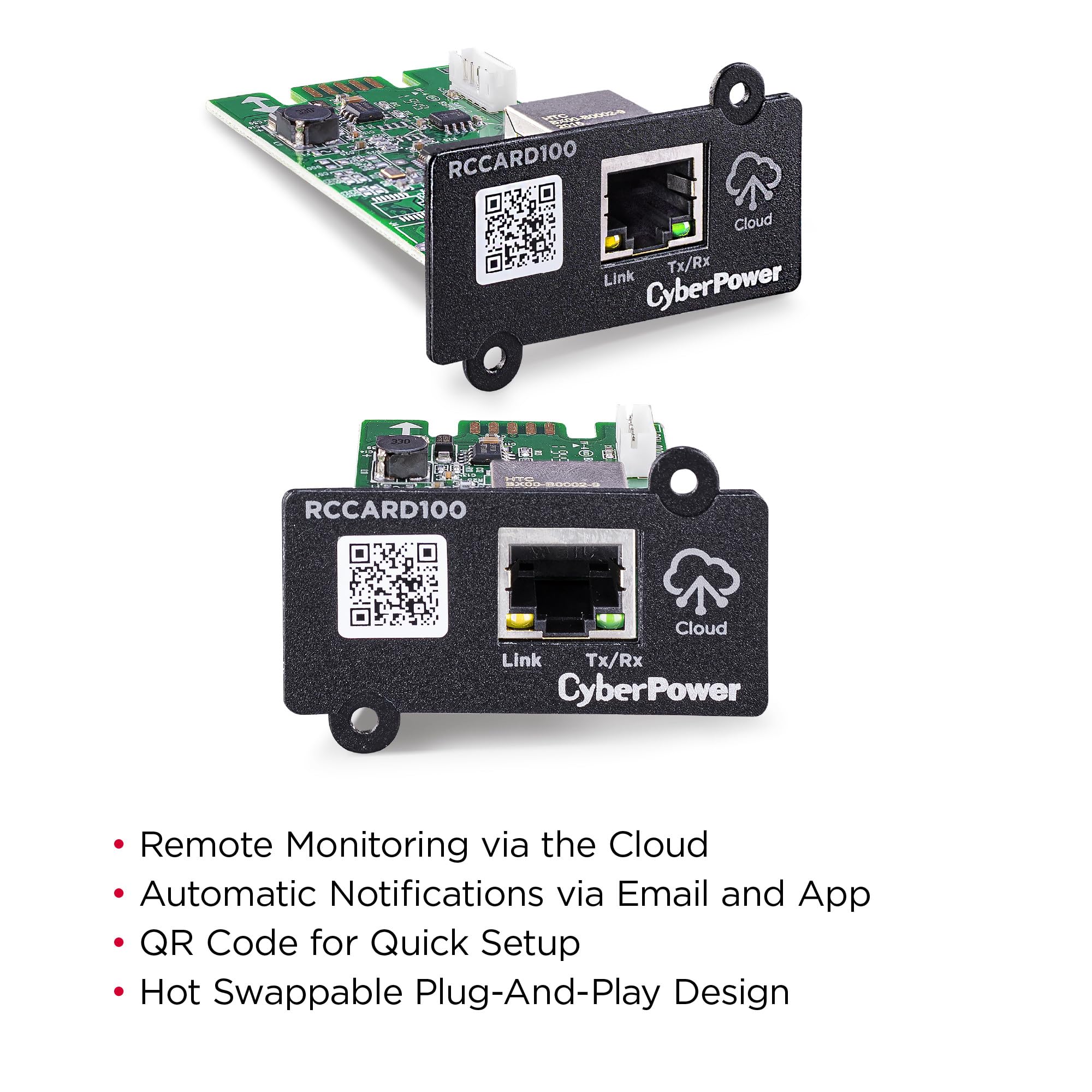
☁️ Stay powered, stay connected—UPS monitoring redefined!
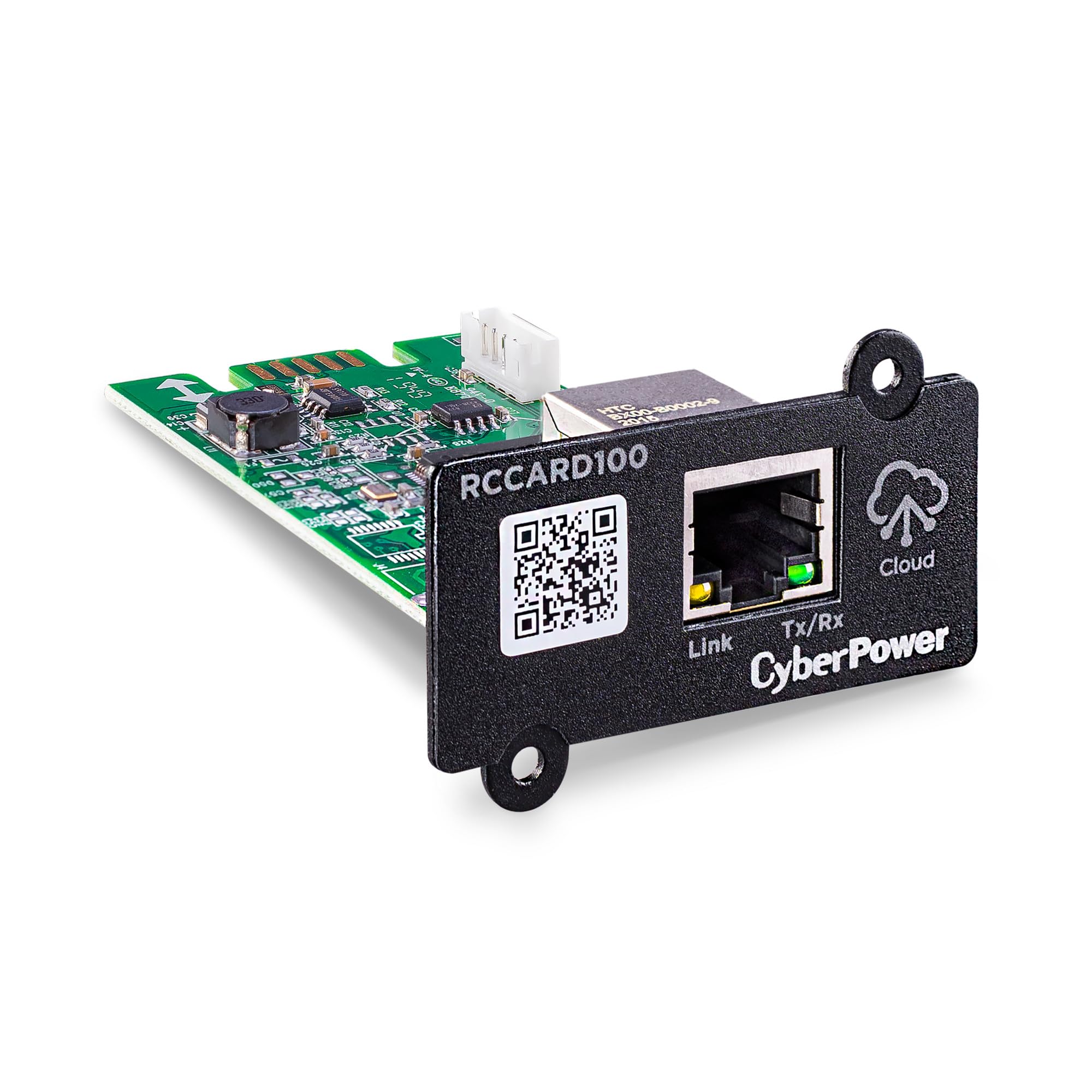
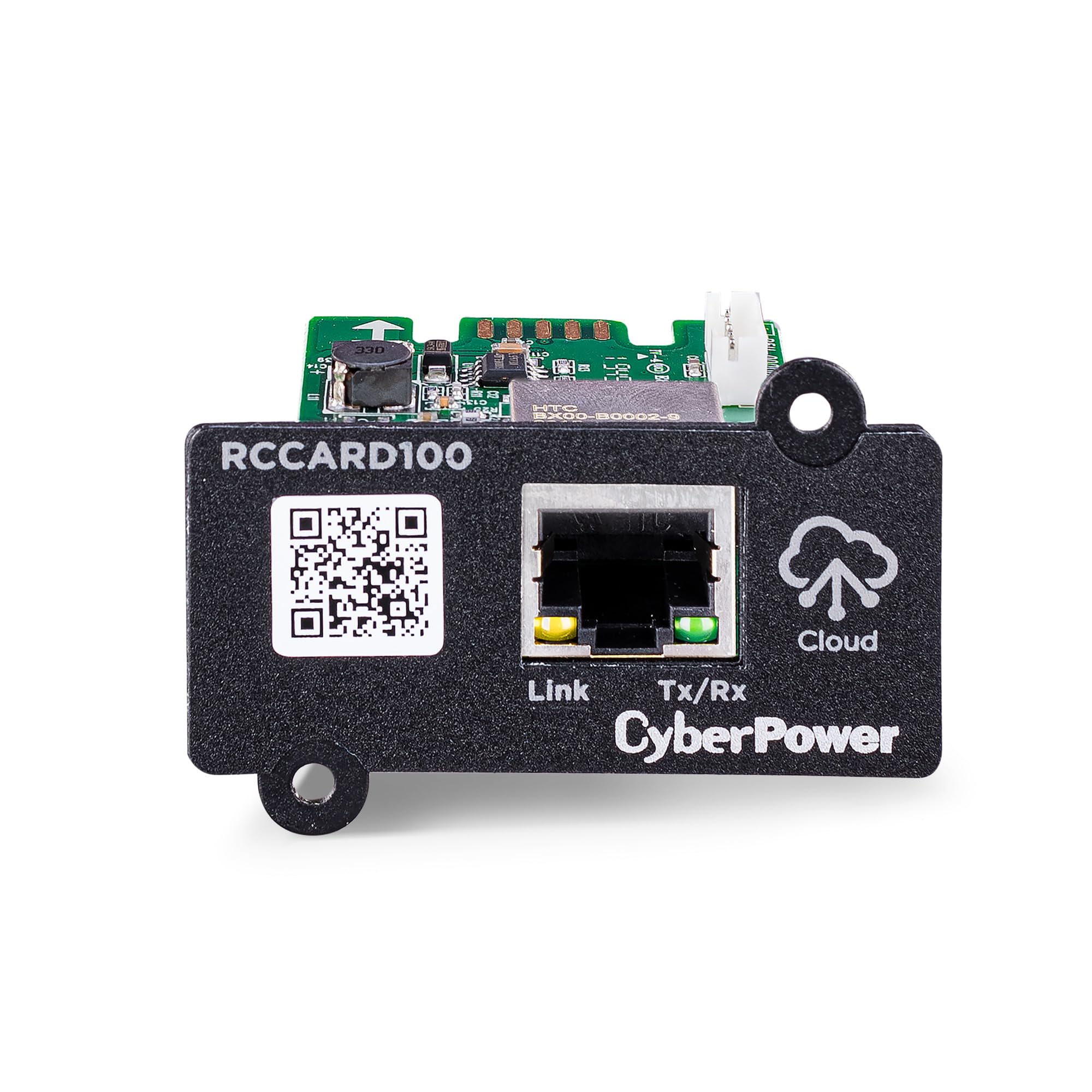
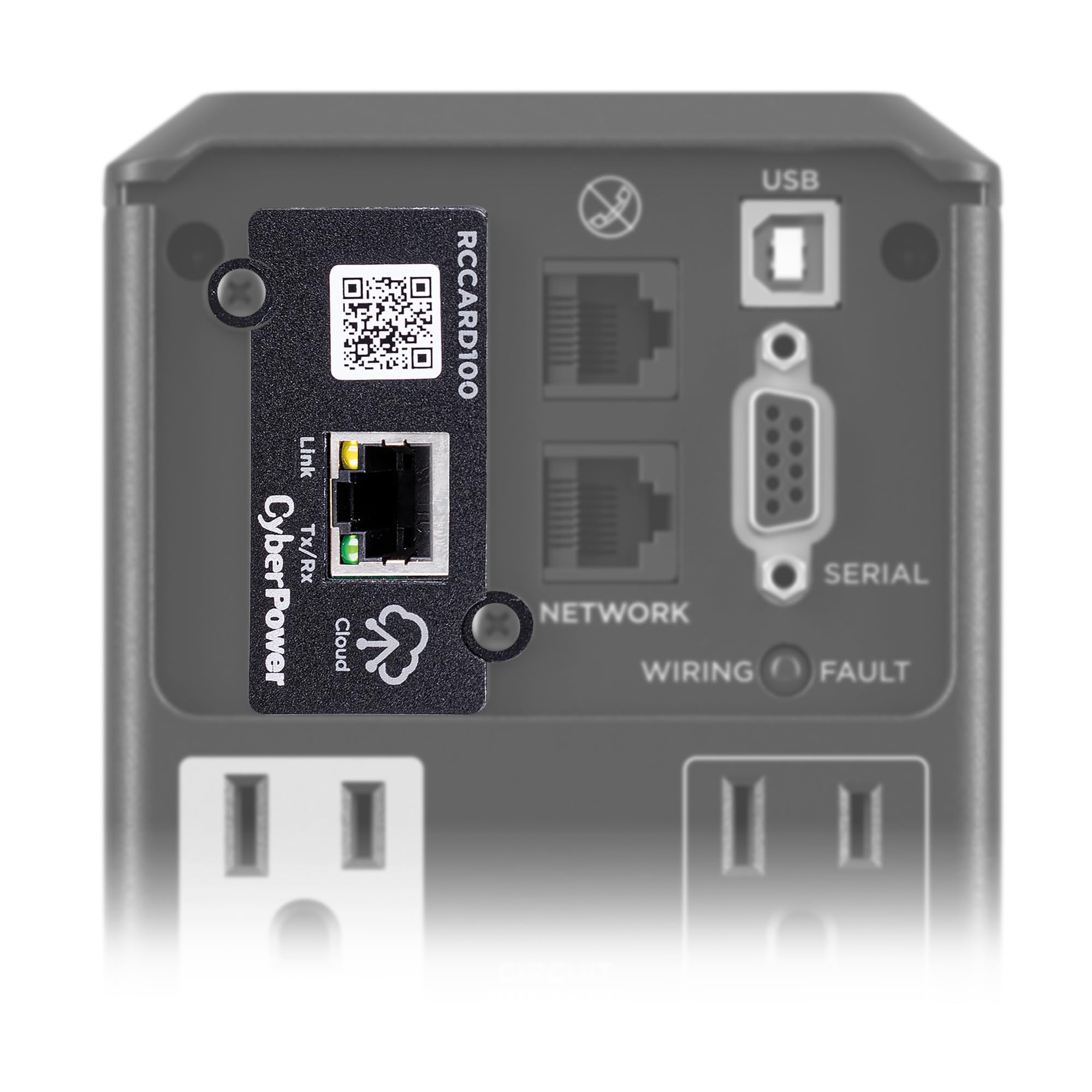
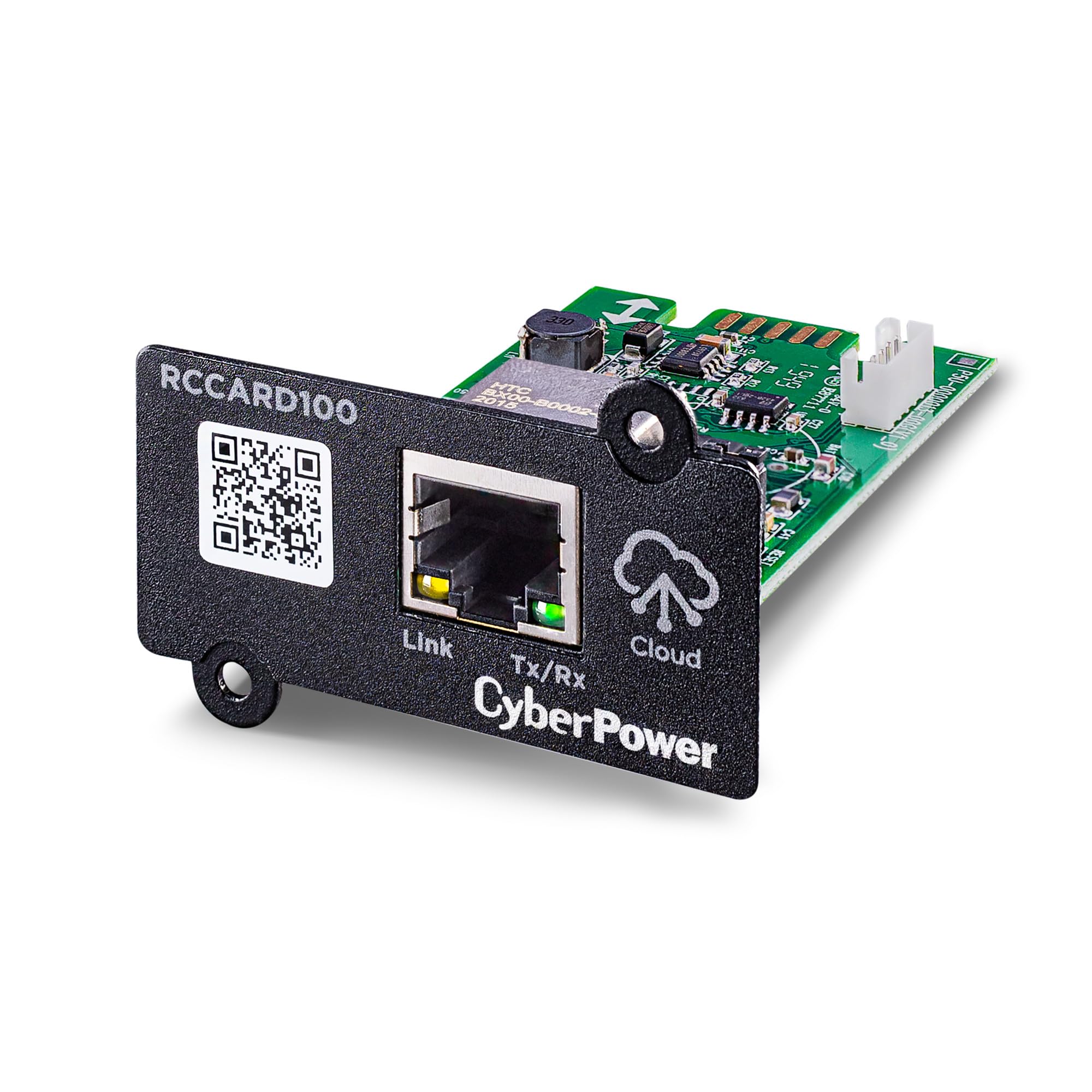
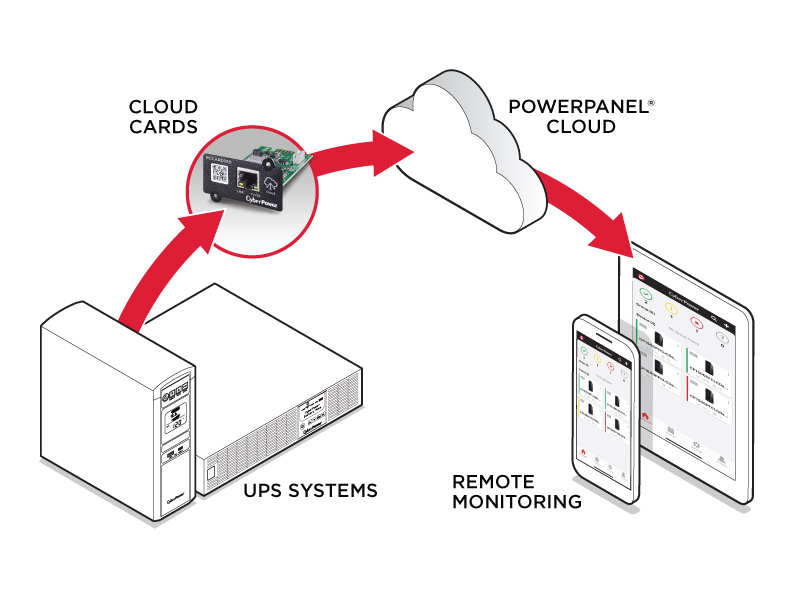
The CyberPower RCCARD100 Cloud Monitoring Card is a compact, hot-swappable device that enables remote UPS management via a cloud platform. It offers real-time alerts on battery health and voltage regulation, supports user-upgradeable firmware, and complies with RoHS environmental standards, ensuring seamless, eco-conscious power protection for professional environments.


| ASIN | B093TXQX2V |
| Item model number | RCCARD100 |
| Language | English, English, English, English, English |
| Manufacturer | CyberPower |
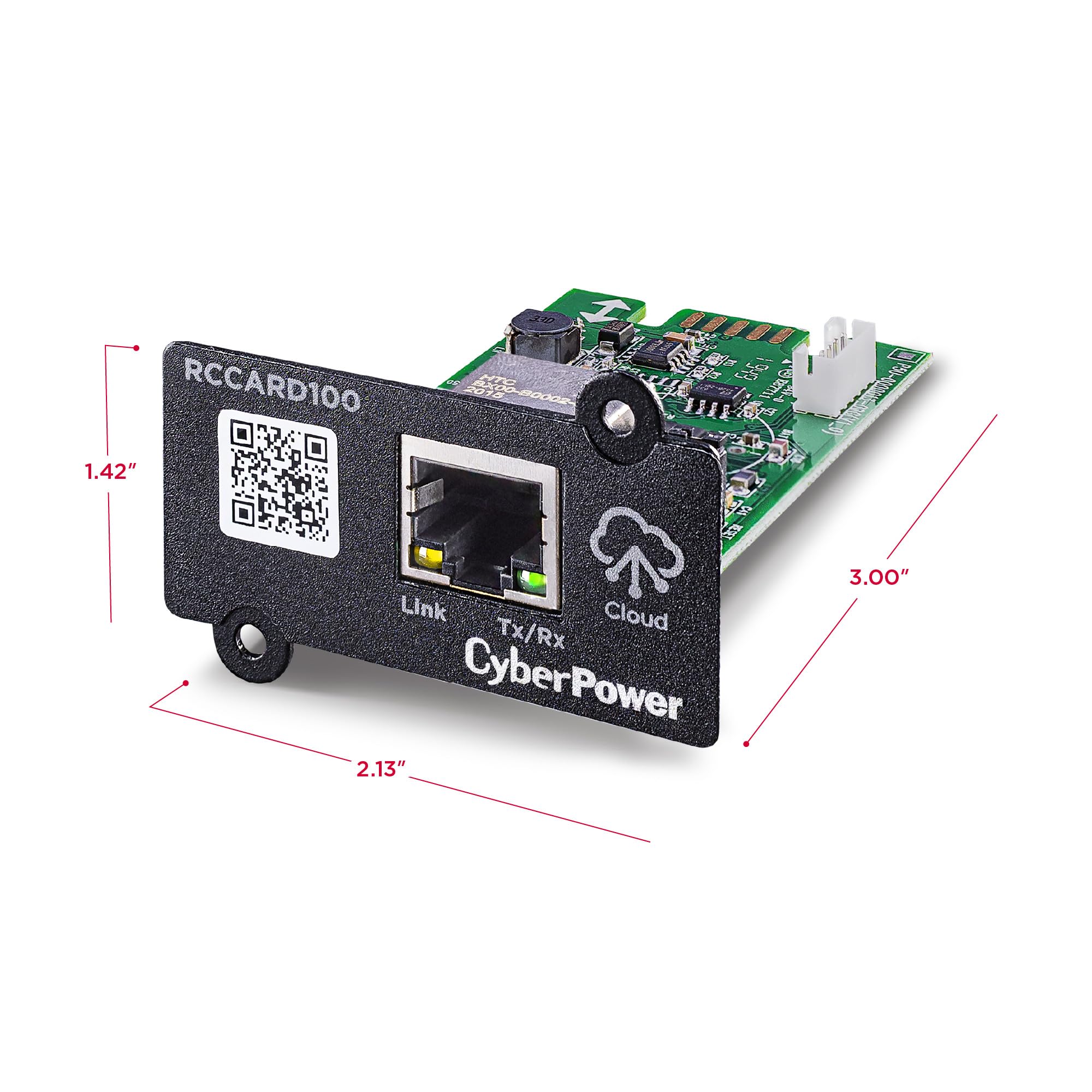
| Product Dimensions | 7.65 x 5.4 x 3.61 cm; 31.75 g |
B**H
The CP1350PFCLCD UPS unit is very powerful and efficient. And the CyberPower Cloud Monitoring Card (which is hot-swappable, so it can be installed without stopping the UPS) lets you add a remote monitoring / alert function. Using the related APP, you get configuration details, status, periodic reports and an ability to check the performance of the automatic voltage regulation function. A single UPS system can be monitored with the free account; by way of a subscription, you may expand monitoring functions to multiple systems.
A**R
A UPS is only as good as the battery. This allows me to automatically get alerts on events, warnings, battery charge and battery health. Batteries need replaced every 3 years or so and this will keep me advised. Easy to install but give yourself a bit to configure and get web link & smartphone app running. Of course bit pricey, but this is not likely a high volume item. I appreciate the peace-of-mind.
P**R
One can't connect to this card on a local network. The card must be connected to the internet and it can only be accessed by PowerPanel Cloud App in order to do its job. Not only this is a security issue, but the PowerPanel Cloud is a paid subscription. Will return it because, for me, it's useless. What a disappointment...
V**H
I ordered the wired version but received the wireless model (RWCCARD100). I decided it use it rather than deal with an exchange. It installed in an OR500LCDRM1U without issue. Adding it to WiFi was fairly easy following prompts on the "PowerPanel Cloud" app. You can monitor the cloud connected UPS via the app or a web browser. My company has a lot of APC Smart-Connect UPS deployed. CyberPower's cloud platform provides 3 years of monitoring vs APC's 2(?). I also prefer CyberPower's cloud console layout as most information is much easier to pull up. APC's interface requires a lot of clicking around. This is the first CyberPower cloud connected UPS we've worked with and are impressed so far.
D**E
DOES NOT SUPPORT SNMP OR NUT Setup was easy once you download the app. There is no way to identify the device except to scan the QR code inside the smartphone app which you have to login to just to setup the device. This gets cumbersome when you pop the device into a rack where it is dark and difficult to see. The powerpanel app itself has no way to turn on the light and disables the light if it is already on so I had to find a flashlight to light up the QR code just to scan it. There is no mac address or any ID info listed on the device directly. The device also does not support any local information such as SNMP or NUT. I was hoping even a simple network attachment would be able to perform something that a first gen Raspberry PI Zero released in would be able to perform but this cannot do anything like that. For the cloud connectivity there is no way to pull the information into any system that I could find. I connected the UPS to a USB connection to see if I could configure it using a locally installed windows app. Not only was there no options to configure the network connection but I was also unable to use the USB signaling while the RCCARD100 was installed. Windows did not recognize the UPS as a battery at all. Once I removed the card the windows powerpanel app gave a single option to run for as long as possible or conserve battery for how to handle a power failure event but no configuration options for the UPS itself. I had to uninstall the app to get the device back to normal so that I could use windows to specify to go into standby after 1 minute. So in summary this device is read only and only provides data to a proprietary and poorly built smart phone app. I couldnt find any way to get the battery level information transmitted to a brand name NAS. Also the device requires a subscription after 90 days. Why is it so difficult to get a simple built in connector to provide battery level information to local devices that does not cost around or more than the UPS itself. The locally available equivalent of this card is $324 as of writing this. I paid $283 (on sale) a few months ago for the 1000W/1500VA UPS installed in my rack. The lower wattage 300W UPS I have installed before was around $150 with a $110 addin network connector card but unfortunately it is completely different from this even though it is also Cyberpower. I guess it is time to grab a PI or similar for cheaper than this thing costs and DIY it. Complete E-waste not worth any of your time or money.
Trustpilot
4 days ago
2 days ago